

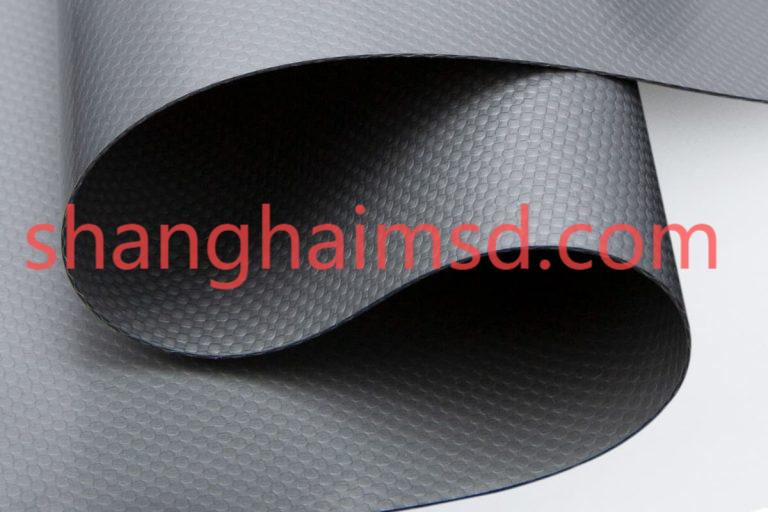

Walls do much more than divide rooms or support architectural structures. They influence the atmosphere of an interior, connect different decorative elements, and provide a background for furniture, lighting, and artwork. For designers and building material buyers seeking flexible decorative solutions, PVC Wallcovering from ShanghaiMsd offers an option that brings surface appearance and practical considerations together. Its adaptable decorative possibilities make it relevant to residential renovations, commercial interiors, hospitality projects, and other architectural applications.
Every interior has its own visual language. A comfortable home may call for subtle textures and gentle colors, while a retail environment might benefit from distinctive patterns that support its commercial identity. Wall finishes help establish these visual directions. By selecting suitable colors, patterns, and surface effects, designers can create spaces that reflect different preferences without changing the fundamental structure of a room.
One appealing aspect of decorative wall materials is the variety of design styles they can accommodate. Some projects favor natural-looking textures inspired by stone, wood, or fabric, while others use geometric patterns, contemporary colors, or understated surface details. These different visual approaches allow architects and interior decorators to coordinate wall treatments with existing design elements.
Practicality is also an important part of interior material selection. Walls in residential spaces may experience routine contact and everyday household activity, while commercial environments can involve different cleaning and maintenance requirements. Buyers should consider the intended installation location, surrounding conditions, and expected usage before choosing a suitable decorative material. Understanding these factors helps ensure that the selected finish corresponds with the needs of the project.
Installation planning deserves equal attention. Wall conditions, substrate preparation, surface flatness, adhesive compatibility, and installation techniques can all influence the finished appearance. Before beginning a project, contractors should evaluate the existing wall structure and follow appropriate installation guidance. Careful preparation helps create a more coordinated process and contributes to a consistent decorative result.
Customization provides another direction for creative development. Different projects may require particular colors, patterns, textures, widths, or surface finishes. Property developers may prefer coordinated designs across multiple rooms, whereas independent designers might seek distinctive decorative combinations for individual spaces. Clear communication with suppliers helps buyers discuss their expectations and evaluate available product specifications.
For distributors and construction material wholesalers, understanding customer requirements is essential when organizing product selections. A residential renovation project may involve different decorative preferences from a hotel, office, restaurant, or retail development. Offering suitable design choices allows businesses to serve different market segments while responding to changing interior styles.
The relationship between wall finishes and lighting can also influence the atmosphere of a room. Natural daylight, decorative lamps, and ceiling illumination may affect how colors and textures are perceived. A surface that appears understated in one setting may create a different impression under another lighting arrangement. Considering these details during the planning stage helps designers create more harmonious interiors.
As interior design continues to incorporate new decorative ideas, wall surfaces remain an important part of architectural expression. A thoughtfully selected material can connect colors, furniture, lighting, and decorative accessories into a unified environment. Combining visual creativity with careful project planning allows each space to develop its own character.
A blank wall is not simply an unfinished surface; it is an opportunity to introduce a new design direction. Give your next interior project a fresh starting point by visiting https://www.shanghaimsd.com/product/ . Browse the available material possibilities, collect ideas for your next design concept, and see how a different wall finish could reshape the spaces you create.