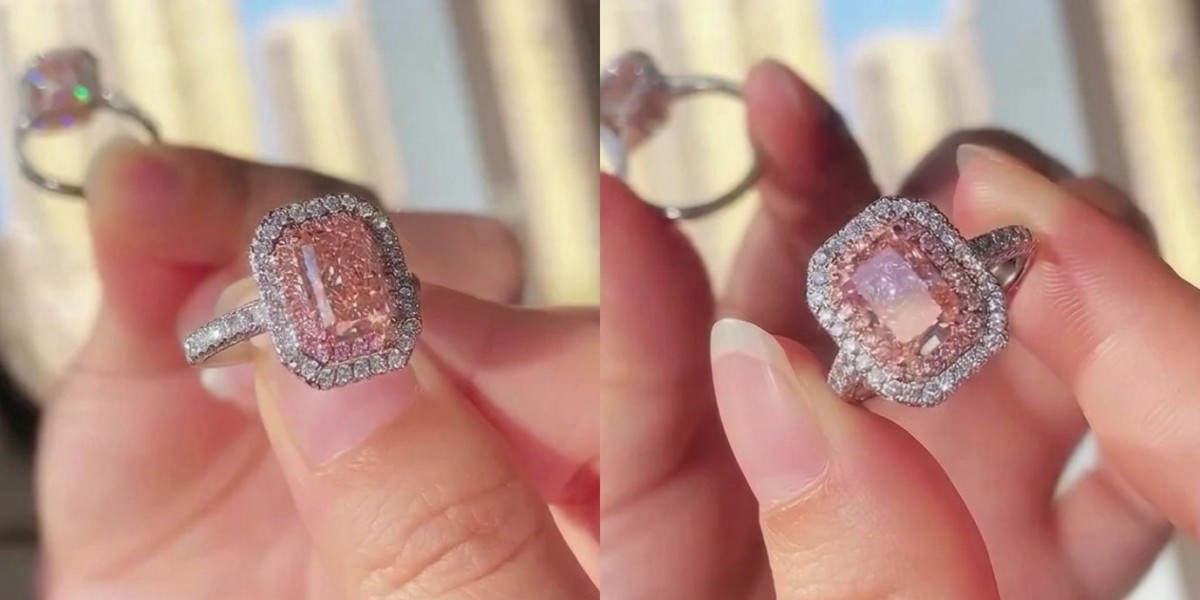

Choosing an engagement ring is a meaningful step, and the diamond cut plays an important role in its overall appearance. A radiant cut diamond engagement ring combines the clean outline of a rectangular or square shape with carefully arranged facets that create depth and light reflection. Since its introduction, this diamond cut has remained a favorite among buyers looking for a distinctive design that balances structure with brilliance. Whether selecting a natural diamond or considering lab grown radiant cut diamond engagement rings, understanding the craftsmanship behind this cut helps you make a confident purchase. At Antiquecut, attention to detail and quality craftsmanship are valued in every collection, helping buyers find rings that suit both personal style and everyday wear.
The Story Behind the Radiant Cut
The radiant cut was introduced to combine the clean lines of step-cut diamonds with the brightness associated with brilliant-cut diamonds. Instead of following one traditional cutting style, it brings together the strengths of both approaches. The result is a diamond with trimmed corners, multiple facets, and a shape that offers versatility for different ring settings.
Over the years, the radiant cut has become a popular option because it works well in both classic and contemporary-inspired jewelry designs. Its balanced proportions make it suitable for those who appreciate geometric shapes without sacrificing visual brightness. Many modern buyers also explore styles to find designs that combine brilliance, comfort, and timeless appeal. When exploring options, many individuals take time to browse collections and compare designs that align with their personal taste. You can also explore products radiant cut diamond engagement ring to discover styles that match different preferences and inspirations.
Understanding the Craftsmanship
Every radiant cut diamond begins as a rough stone that must be carefully studied before cutting begins. Skilled diamond cutters evaluate the crystal structure, natural inclusions, and overall shape of the rough diamond before deciding how to maximize both beauty and weight retention.
Unlike many other diamond cuts, the radiant cut requires careful precision to maintain symmetry. Each facet must be positioned correctly so that light travels efficiently through the stone. Even small adjustments during cutting can affect the finished diamond's appearance.
Creating a high-quality radiant cut often involves:
- Careful planning before cutting begins
- Precise facet placement
- Balanced proportions
- Consistent corner trimming
- Thorough polishing after cutting
Each stage requires experience and technical knowledge, making craftsmanship one of the most important factors in the finished diamond.
Why Buyers Choose a Radiant Cut Engagement Ring
A radiant cut engagement ring appeals to many buyers because it combines durability with visual appeal. The trimmed corners help reduce the risk of chipping compared to diamonds with sharp corners, making it a practical option for everyday wear.
Some of the reasons people continue choosing this diamond shape include:
Strong Light Reflection
The facet arrangement allows the diamond to reflect light from multiple directions, creating a bright appearance under different lighting conditions.
Versatile Shape
Radiant cuts are available in square and rectangular proportions, allowing buyers to choose the shape that best suits their personal preferences.
Suitable for Various Ring Settings
This diamond cut pairs well with solitaire, halo, hidden halo, three-stone, and vintage-inspired settings, making it one of the more adaptable choices available.
Larger Visual Appearance
Because of its outline and cutting style, a radiant cut often appears larger than some other diamond shapes of the same carat weight.
Important Characteristics to Evaluate
When shopping for a radiant cut diamond, focusing only on carat weight may not provide the full picture. Several additional characteristics influence both appearance and value.
Length-to-Width Ratio
The ratio determines whether the diamond appears square or rectangular.
- Around 1.00 to 1.05 creates a square appearance.
- Around 1.20 to 1.35 produces a balanced rectangular shape.
- Higher ratios create a longer profile.
Personal preference usually determines which proportion feels most appealing.
Cut Quality
Unlike round diamonds, radiant cuts do not receive an official cut grade from many grading laboratories. Instead, buyers should examine overall symmetry, polish, and how evenly the facets distribute light.
Well-crafted radiant diamonds display balanced brightness without large dark areas across the center.
Clarity
The brilliant-style facet arrangement helps disguise many small inclusions. This allows buyers to consider slightly lower clarity grades while still maintaining an attractive appearance.
However, every diamond should still be reviewed individually.
Color
Radiant cuts can retain slightly more body color than some other brilliant cuts. Buyers seeking a brighter appearance often consider higher color grades, especially when selecting white metal settings.
Comparing Radiant Cut with Other Popular Shapes
Understanding how radiant diamonds differ from other cuts can simplify the buying process.
Radiant vs. Round
Round diamonds remain the most traditional option, but radiant cuts provide a more distinctive outline while maintaining excellent light performance.
Radiant vs. Cushion
Cushion diamonds have softer, rounded corners and a pillow-like appearance. Radiant cuts feature straighter sides and sharper geometry, giving them a cleaner overall profile.
Radiant vs. Emerald
Emerald cuts emphasize long, open facets that highlight clarity. Radiant cuts use brilliant-style faceting, producing significantly more light reflection while masking small inclusions more effectively.
Radiant vs. Princess
Princess cuts feature pointed corners that require extra protection within the setting. Radiant cuts include cropped corners, making them generally more resistant to everyday wear.
Popular Ring Settings for Radiant Diamonds
The setting influences both the appearance and protection of the diamond.
Solitaire Setting
A solitaire allows the radiant cut to remain the center of attention. With minimal surrounding details, the diamond becomes the primary focal point.
Halo Setting
A halo of smaller diamonds surrounds the center stone, creating additional visual size while adding extra detail to the overall ring.
Three-Stone Setting
Three-stone rings combine a larger center radiant diamond with two side stones, symbolizing different stages of a relationship while creating a balanced design.
Hidden Halo
Hidden halo settings place small diamonds beneath the center stone, adding subtle detail that becomes visible from different viewing angles.
Bezel Setting
A bezel surrounds the outer edge of the diamond with metal, offering additional protection for buyers with active lifestyles.
Lab Grown Radiant Cut Diamond Engagement Rings
As technology continues to advance, many buyers are exploring lab grown radiant cut diamond engagement rings as an alternative to mined diamonds. These diamonds share the same physical, chemical, and optical properties as natural diamonds because they are created under controlled laboratory conditions that replicate the natural diamond-growing process.
For many shoppers, lab grown diamonds offer greater flexibility when balancing size, quality, and budget. Buyers may be able to select a larger center stone or higher color and clarity grades while staying within their planned spending range.
Whether choosing a natural or lab grown diamond, the quality of the cut remains one of the most important factors affecting the final appearance. A well-cut radiant diamond will always stand out more than a poorly cut stone with higher carat weight.
How to Choose the Right Radiant Cut Diamond
Finding the right diamond involves more than selecting the first stone that fits your budget. Taking time to compare different options can help you make a purchase you'll appreciate for years.
Decide on Your Preferred Shape
Radiant cut diamonds are available in square and rectangular forms. Some buyers enjoy the balanced appearance of a square diamond, while others prefer the longer profile of a rectangular cut.
Looking at several examples side by side makes it easier to determine which style best matches your taste.
Set a Comfortable Budget
Having a clear budget helps narrow your choices without feeling overwhelmed. Instead of focusing on one feature alone, try to balance carat weight, color, clarity, and overall cut quality.
A slightly smaller diamond with excellent proportions often appears more attractive than a larger stone with poor craftsmanship.
Review Certification
Always choose a diamond that has been graded by a recognized gemological laboratory. Certification provides important information about the diamond's characteristics and helps buyers compare options with confidence.
Examine the Diamond in Different Lighting
Lighting conditions can influence how a diamond appears. Viewing the stone under natural daylight, indoor lighting, and softer environments provides a better understanding of its overall performance.
Common Buying Mistakes to Avoid
Purchasing an engagement ring is a significant investment, and avoiding a few common mistakes can improve your overall experience.
Choosing Carat Weight Over Cut Quality
Many first-time buyers focus primarily on size. While carat weight is important, cut quality has a greater impact on how the diamond looks.
A well-cut radiant diamond often appears brighter and more attractive than a larger diamond with poor proportions.
Ignoring Ring Setting Compatibility
Not every setting complements every diamond shape. Make sure the chosen setting properly supports the trimmed corners while matching your preferred style.
Buying Without Comparing Options
Taking time to compare several diamonds allows you to better understand differences in proportions, color, clarity, and overall appearance.
Overlooking Lifestyle Needs
Consider how often the ring will be worn. Someone with an active lifestyle may benefit from settings that provide additional protection for the center stone.
Caring for Your Radiant Cut Engagement Ring
Regular care helps preserve the appearance of your engagement ring over time.
Simple maintenance practices include:
- Clean the ring regularly using mild soap, warm water, and a soft brush.
- Remove the ring before heavy manual activities.
- Store it separately from other jewelry to reduce scratches.
- Schedule periodic inspections to ensure the setting remains secure.
- Avoid exposing the ring to harsh household chemicals whenever possible.
Routine care not only helps maintain the diamond's appearance but also supports the long-term security of the setting.
Why Craftsmanship Makes the Difference
Two radiant cut diamonds may share the same carat weight, color, and clarity grades yet appear noticeably different. The difference often comes down to craftsmanship.
Experienced diamond cutters carefully plan every stage of the cutting process to achieve balanced proportions and consistent facet alignment. Even minor adjustments can influence how light moves throughout the stone.
Attention to detail also extends beyond the diamond itself. The quality of the ring setting, prong placement, finishing, and polishing all contribute to the overall appearance and durability of the finished piece.
When craftsmanship is prioritized, every component works together to create a ring that performs well in everyday wear while maintaining its visual appeal.
Finding a Ring That Reflects Your Personal Style
Every engagement ring tells a personal story, making it important to choose a design that feels authentic to the wearer.
Some buyers appreciate a simple solitaire that highlights the center stone, while others prefer detailed halo or three-stone settings. Metal choice also plays an important role, with white gold, yellow gold, rose gold, and platinum each creating a different overall appearance.
Rather than following short-term trends, focus on selecting a combination of diamond shape, setting, and metal that matches your lifestyle and preferences.
Taking time to explore different designs allows you to make a decision based on quality, comfort, and long-term satisfaction.
Conclusion
A radiant cut diamond engagement ring continues to be a popular choice for buyers seeking a distinctive shape with impressive light performance and everyday practicality. From understanding how the diamond is crafted to selecting the right setting and evaluating important quality characteristics, every step plays a role in finding the ideal ring. Whether you are considering a classic radiant cut engagement ring or exploring lab grown radiant cut diamond engagement rings, investing time in research will help you make a confident decision. By focusing on craftsmanship, certified quality, and thoughtful design, you can choose an engagement ring that reflects your personal style while remaining a meaningful symbol for years to come.