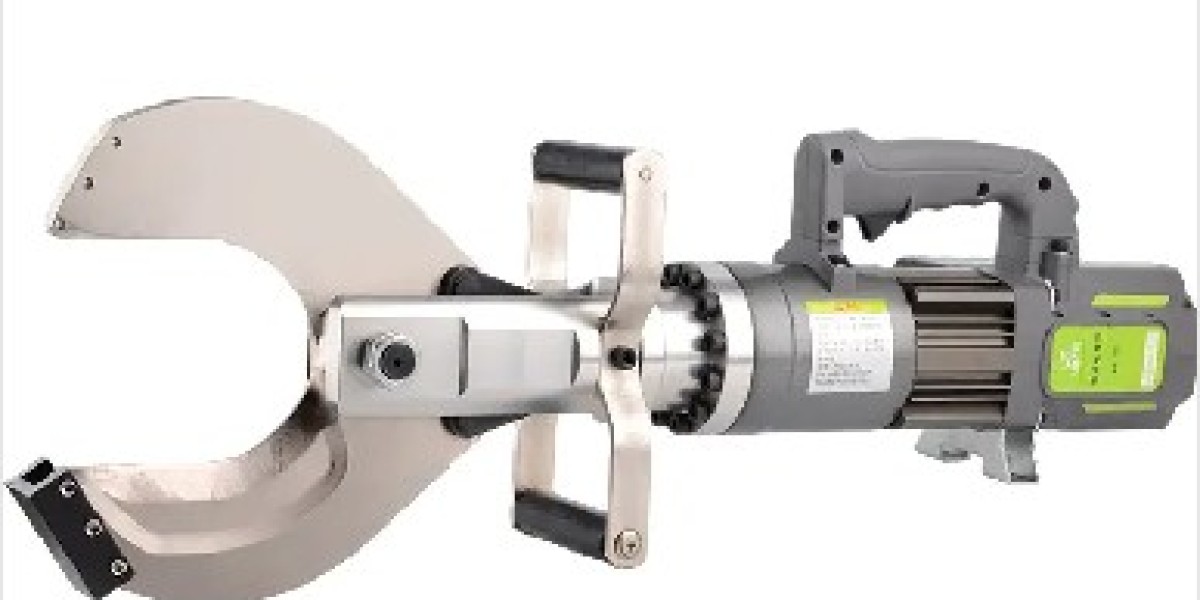

Hydraulic crimping tool performance depends on more than the pressure applied during operation. Although the equipment is designed to create strong cable connections, the final result is influenced by the entire crimping process, including terminal selection, cable preparation, compression control, and post-operation inspection. A connection that appears complete from the outside may still have hidden issues if any step before or during crimping is not handled correctly.
One common reason for unstable connections is the mismatch between cables and terminals. Different cable sizes require suitable connectors to achieve proper compression. When the terminal specification does not match the conductor size, even a powerful tool cannot fully compensate for the problem. Before using a hydraulic crimping tool, experienced installers usually confirm cable diameter, terminal type, and application requirements to reduce the possibility of connection failure.
Cable preparation is another factor that influences final quality. Damaged conductor strands, oxidation on the cable surface, or incorrect stripping methods can affect how the connector holds the cable after compression. These problems often appear after installation rather than during the crimping process itself, which is why careful preparation has become an important part of professional cable work.
The operating process also affects the performance of a crimped connection. Hydraulic equipment is designed to complete compression through a controlled cycle, and releasing pressure too early may result in incomplete deformation of the connector. For larger electrical systems exposed to vibration or repeated loads, small differences during compression can influence long-term reliability.
Regular inspection after crimping helps identify potential problems before equipment starts working. Technicians may check connector shape, cable positioning, and mechanical stability through visual inspection or additional testing methods. This approach allows installers to evaluate the whole procedure instead of focusing only on the tool itself.
Maintenance also plays a role in maintaining consistent results. Cleaning moving parts, checking hydraulic conditions, inspecting dies, and storing equipment correctly can help keep performance stable over time. A properly maintained hydraulic crimping tool allows operators to achieve more predictable results during repeated installation tasks.
Reliable cable connections are created through a combination of suitable components, correct preparation, controlled operation, and regular inspection. As electrical systems continue to demand higher stability, professional installers are paying closer attention to the complete crimping process rather than relying only on equipment strength.