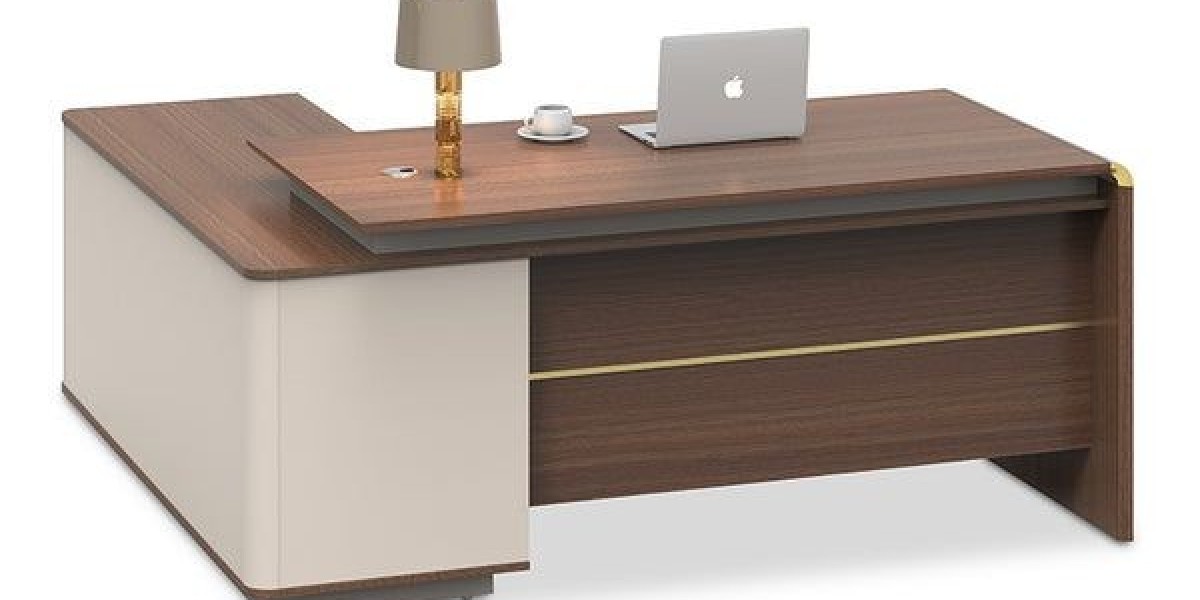

A productive workplace should offer comfort, organization, and enough flexibility to support different types of daily activities. Office Furniture is one of the key elements that brings these qualities together. Desks, chairs, cabinets, workstations, conference tables, and reception units all contribute to the way an office operates. Selecting these pieces with purpose can help businesses use their available space wisely while creating an environment that feels professional and pleasant. A successful office design does not depend on expensive items alone. It comes from choosing furniture that fits the people, tasks, layout, and long-term needs of the business.
Start With a Clear Office Layout
Before purchasing furniture, businesses should understand how the workplace will function. A clear floor plan can show where employees will work, where visitors will enter, and where meetings or group activities will take place. This planning stage can prevent businesses from purchasing pieces that are too large or unsuitable for the available space.
The placement of furniture should support easy movement. Walkways need to remain clear, and employees should have enough room to enter and leave their workstations comfortably. Doors, windows, lighting fixtures, power outlets, and ventilation should also be considered before finalizing the layout.
An office can be divided into different zones according to its activities. Quiet areas can support focused work, while shared spaces can be reserved for meetings and collaboration. Reception areas can provide a welcoming entrance for clients and visitors.
Find Desks That Support Daily Work
A desk should provide enough surface area for the equipment and materials an employee uses regularly. Computers, monitors, keyboards, documents, stationery, and communication devices all require appropriate space. Choosing a desk that is too small can make the work area uncomfortable, while an oversized desk can unnecessarily reduce available floor space.
Different desk styles can suit different situations. Corner desks can make use of unused areas, while straight desks can be arranged efficiently in shared workspaces. Executive desks can provide a strong visual presence in private offices, and modular workstations can be useful when businesses need flexible layouts.
Features such as drawers, cable ports, and built-in storage can make desks more practical. Keeping cables organized can also improve the appearance of the workspace and reduce potential hazards around the workstation.
Give Employees Better Seating Options
Comfortable seating should be treated as an essential workplace requirement. Employees may spend many hours at their desks, so chairs should provide suitable support and allow users to make adjustments according to their individual preferences.
Adjustable seat height is useful for creating a suitable relationship between the employee, chair, and desk. Back support can help make extended periods of desk work more comfortable. Armrests, seat cushioning, and smooth movement can also influence the overall experience.
Businesses can choose seating according to the different areas of the office. Employees may need supportive task chairs, managers may prefer executive seating, and visitors may require simple but comfortable chairs in reception and meeting areas.
Improve Organization With Smart Storage
A well-organized workplace can make it easier for employees to locate important materials. Storage furniture provides dedicated areas for files, supplies, equipment, and personal belongings.
Filing cabinets are useful for paperwork, while cupboards can hide larger supplies and equipment. Open shelving can display books and reference materials, and mobile pedestals can provide convenient storage beside workstations.
Storage should be positioned based on usage. Frequently needed items should be accessible without disrupting other employees, while archived materials can be placed in separate areas. Businesses should also consider lockable storage when documents or equipment require additional protection.
Make Small Offices More Efficient
Small workplaces need furniture that provides maximum usefulness without overwhelming the room. Compact desks, narrow storage units, wall shelving, and multipurpose tables can help businesses make better use of limited space.
Furniture with more than one purpose can be particularly valuable. A shared table might be used for meetings, project work, training, or temporary workstations. Mobile furniture allows employees to change the layout when the purpose of the room changes.
Vertical storage can also provide additional capacity. Tall cabinets and shelving units can use wall height rather than taking up large amounts of floor space. Keeping the central walking areas open can make a small room appear more spacious.
Design Areas for Collaboration
Workplaces need more than individual desks. Employees often need to discuss projects, share ideas, review documents, and work together. A dedicated collaboration area can provide a suitable environment for these activities.
A compact meeting table can be enough for a small team, while larger businesses may require conference tables and dedicated meeting rooms. Informal seating can provide another option for quick discussions that do not require a formal meeting setting.
Flexible furniture allows these areas to serve several purposes. Lightweight or movable chairs and tables can be rearranged according to the size of the group or type of activity.
Select Materials Based on Workplace Demands
The materials used in furniture can affect durability, appearance, and maintenance. Businesses should consider the amount of daily use before selecting finishes and construction materials.
High-use offices may benefit from surfaces that are easy to clean and resistant to regular wear. Wood-effect finishes can create a warm atmosphere, while metal details can add strength and a modern appearance. Glass elements can be used to create a lighter visual style when appropriate.
Maintenance should be part of the purchasing decision. Furniture that is simple to clean and maintain can help the office retain a neat appearance over time.
Create a Unified Office Appearance
Furniture can influence the visual identity of a workplace. When desks, chairs, cabinets, and tables complement one another, the office can appear more organized and professional.
Businesses can choose a consistent color palette throughout the workplace. Neutral tones can provide a calm foundation, while carefully selected accent colors can introduce personality. Materials and finishes should also work together instead of creating a mixture of unrelated styles.
A consistent interior does not mean every item must look identical. Complementary designs can provide variety while maintaining visual harmony across different office areas.
Consider the Needs of Different Employees
Every employee may use their workstation differently. Administrative staff may need extensive filing space, creative professionals may require larger work surfaces, and managers may need private meeting areas.
Understanding these differences can help businesses select furniture more effectively. Instead of furnishing every workstation in exactly the same way, companies can create variations where they provide genuine practical benefits.
Employee feedback can also be useful when planning a new workspace. People who use the furniture every day may identify requirements that are not immediately obvious during the design process.
Choose Flexible Solutions for Future Changes
A business can change significantly over time. New employees may join, teams may move, and departments may require different arrangements. Flexible furniture can make these transitions easier.
Modular workstations can often be rearranged without replacing the entire setup. Mobile storage and movable tables can also help businesses adjust individual areas when necessary.
Planning for future requirements does not mean filling the office with unused furniture. Instead, businesses should select adaptable pieces and maintain enough flexibility within the layout to accommodate reasonable changes.
Improve Reception and Meeting Areas
The entrance of an office often shapes a visitor's first impression. A well-arranged reception area can communicate organization and professionalism.
The reception desk should suit the size of the entrance and provide enough room for staff to perform their responsibilities. Visitor seating should be comfortable without making the area feel crowded.
Meeting rooms also require careful consideration. The table should provide enough room for participants, while chairs should remain comfortable during longer discussions. Storage for presentation equipment, documents, and supplies can keep meeting spaces organized.
Balance Cost With Long-Term Value
Businesses often have a budget to consider when furnishing an office. However, the cheapest option may not always provide the best value. Furniture should be evaluated according to quality, expected lifespan, comfort, maintenance, and flexibility.
Durable furniture can reduce replacement costs over time. A slightly higher initial investment may be worthwhile if the product remains functional and attractive for many years.
Companies should prioritize essential pieces first. Once the basic workplace is properly equipped, additional furniture and decorative elements can be introduced according to available resources.
Keep the Workplace Practical and Comfortable
The purpose of Office Furniture is to support the people and activities within the workplace. Attractive furniture can improve the visual character of an office, but functionality should remain a major consideration.
Employees need suitable work surfaces, comfortable seating, accessible storage, and enough personal space. Teams also need areas where they can communicate without disturbing colleagues who are concentrating.
When furniture is selected around these requirements, the office becomes easier to navigate and more comfortable to use. Even modest improvements can have a noticeable effect when they address genuine workplace needs.
Build a Workspace That Reflects the Business
The workplace should represent the character and priorities of the company. A creative organization may prefer flexible and expressive interiors, while a professional service provider may favor a refined and understated environment.
Furniture can help communicate this identity through its shapes, materials, colors, and arrangement. The design should remain practical while creating a positive impression for employees, clients, and visitors.
Businesses can also update individual areas over time rather than redesigning the entire workplace at once. This approach makes it easier to keep the office current while managing costs.
Conclusion
The right Office Furniture can help a business create a workplace that is comfortable, organized, attractive, and ready for everyday demands. From practical desks and supportive chairs to efficient storage and flexible meeting areas, each element should serve a clear purpose. Careful planning can make better use of available space while creating an environment that supports employees and presents a professional image to visitors. For businesses seeking fresh design inspiration, Queens arts and trends can also provide creative ideas for developing a distinctive workplace atmosphere.