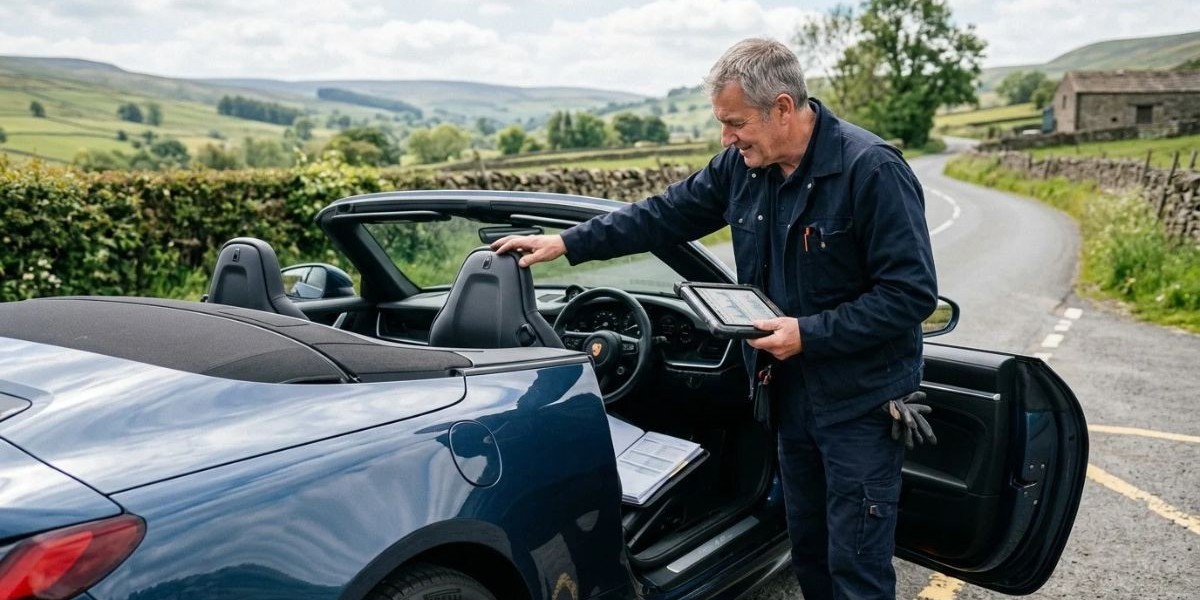

Convertible cars offer something a conventional car cannot: the freedom to lower the roof and enjoy open-air driving. For many motorists, that extra driving experience is the main attraction. However, convertibles can also involve compromises around practicality, maintenance costs, running costs and roof repairs.
So, are convertible cars worth it? The answer depends on your lifestyle, budget and driving needs. Before making a decision, it is also worth getting advice from a trusted used car specialist to assess the vehicle’s condition, history and potential running costs.
What Is a Convertible Car?
A convertible car, also known as a cabriolet, has a retractable roof that allows drivers to switch between an enclosed cabin and open-air driving.
There are two common types:
Soft-Top Convertibles
Soft-tops generally use a fabric roof operated manually or electronically. They can be relatively lightweight and provide a classic convertible appearance, but the fabric needs proper care to prevent deterioration, leaks and mold.
Hardtop Convertibles
Hardtop systems use folding metal or composite panels. They can provide greater insulation and security when closed, but their additional mechanisms, motors and sensors can make repairs more complicated if something goes wrong.
What Are the Advantages of Convertible Cars?
Enjoyable Open-Air Driving
The biggest benefit is the convertible driving experience. Lowering the roof can make everyday journeys, weekend trips and scenic drives more enjoyable, particularly in good weather.
Distinctive Styling
Convertibles often have an appealing design that sets them apart from conventional hatchbacks, saloons and coupes. Some models also retain strong demand among enthusiasts.
Great for Leisure Driving
A convertible can be particularly enjoyable on country roads and during summer trips. If driving enjoyment is a priority rather than simply getting from A to B, the extra flexibility can make a convertible worthwhile.
Potential Used-Car Value
Depreciation can sometimes make an older used convertible more affordable than buyers might expect. However, a low purchase price should not be the only consideration, as an inexpensive car with roof problems could become costly to maintain.
What Are the Disadvantages of Convertible Cars?
Roof Repairs Can Be Expensive
A convertible roof can contain electric motors, hydraulic components, sensors, hinges, seals and other moving parts. If several components are involved in a fault, repair costs can quickly increase.
This doesn't mean convertible roofs are inherently unreliable. A well-maintained roof can provide years of service, but buyers should understand the potential repair costs.
Reduced Practicality
Roof mechanisms can take up space that could otherwise be used for luggage. Some convertibles also have limited rear-seat space or smaller boots than their fixed-roof alternatives.
If you regularly carry passengers, shopping or large luggage, practicality should be an important part of your decision.
Additional Maintenance
Convertible roof maintenance is another consideration. Soft-tops should be cleaned appropriately, while roof seals, drainage channels and moving components should be checked regularly.
Leaves, dirt and debris can block drainage points and contribute to water ingress. Keeping the roof and drains clean can help prevent avoidable problems.
Noise and Weather Considerations
With the roof down, wind and road noise naturally increase. Even with the roof raised, some convertibles may provide a different level of insulation from comparable coupes.
Cold weather, heavy rain and strong winds can also limit how often you actually use the roof.
Are Convertible Roofs Reliable?
Modern convertible roof systems can be dependable when properly maintained, but reliability varies between models and individual vehicles.
When assessing convertible reliability, consider:
The age of the vehicle
Roof design and complexity
Maintenance history
Condition of seals
Roof operation
Hydraulic and electrical components
Evidence of previous repairs
Whether the vehicle has been stored outdoors
A roof that operates smoothly, locks correctly and shows no signs of leaks is generally more reassuring than one that makes unusual noises or requires repeated attempts to open or close.
Are Convertible Cars Practical for Everyday Driving?
A convertible can work perfectly well as an everyday car, but practicality depends heavily on the model.
Consider how much boot space, rear-seat capacity and passenger room you need. A two-seat roadster may be ideal for weekend driving but less suitable for a family.
Your typical driving environment also matters. Convertibles can be enjoyable on scenic routes but may be less appealing if most of your journeys involve congested urban roads or long motorway trips.
Are Convertible Cars Expensive to Own?
There is no universal answer. Convertible running costs depend on the model, engine, age, insurance group and maintenance requirements.
Potential expenses include:
Routine servicing
Insurance
Fuel or charging
Tyres
Roof maintenance
Seal replacement
Roof mechanism repairs
General bodywork
Before buying a used convertible, investigate typical maintenance costs for the specific model rather than assuming all convertibles cost the same to own.
What Should You Check When Buying a Used Convertible?
A thorough inspection is particularly important when purchasing a second-hand convertible.
Inspect the Roof
Operate the roof several times and listen for unusual noises. Check that it opens, closes and locks correctly without hesitation.
Examine fabric roofs for tears, fading, damaged stitching and signs of previous repairs. For hardtop systems, look for unusual movement or warning messages.
Check for Water Leaks
Inspect the carpets, boot and interior for dampness, staining, mould or musty smells. Water ingress can sometimes indicate problems with seals or blocked drainage channels.
Examine the Seals and Drainage
Check rubber seals around the roof and windows for deterioration. Make sure drainage points are clear, particularly on older cars.
Review the Service History
Look for evidence of regular servicing and previous convertible roof repairs. A documented maintenance history can provide useful insight into how the vehicle has been cared for.
Check the Bodywork
Look for rust, uneven panel gaps, paint differences and evidence of accident repairs. Pay particular attention to areas around the roof mechanism and boot.
Convertible vs Coupe: Which Is Better?
Factor | Convertible | Coupe |
Open-air driving | Yes | No |
Roof complexity | Higher | Lower |
Practicality | Often reduced | Usually better |
Weather flexibility | More limited | More consistent |
Driving enjoyment | Highly subjective | Highly subjective |
Roof maintenance | Required | Not applicable |
Neither is automatically better. The right choice depends on whether you prioritise open-air driving or everyday practicality.
So, Are Convertible Cars Worth It?
Convertible cars can be worth it if you value driving enjoyment, distinctive styling and the freedom to drive with the roof down. They can be particularly appealing for leisure driving and summer trips.
However, buyers should be prepared for potentially higher roof-related maintenance, reduced practicality and additional inspection requirements.
For a used convertible, condition and maintenance history are often more important than simply choosing the cheapest example available. A carefully inspected, well-maintained car can provide an enjoyable ownership experience without turning the convertible roof into an unexpected expense.
FAQs About Convertible Cars
Are convertible cars reliable?
They can be reliable when properly maintained, although roof mechanisms introduce additional components that may require specialist repairs.
Are convertible cars expensive to maintain?
Maintenance costs vary by model. Roof mechanisms, seals and drainage systems can create additional expenses compared with fixed-roof cars.
Are convertible cars good for everyday driving?
Yes, depending on the model and your needs. Consider boot space, passenger capacity, weather and your typical driving conditions.
What should I check when buying a used convertible?
Test the roof, inspect seals and drainage, check for water damage, review the service history and examine the bodywork for accident damage or corrosion.
Are soft-top or hardtop convertibles better?
Neither is universally better. Soft-tops can be simpler and lighter, while hardtops may provide different levels of insulation and security but can have more complex mechanisms.