
A breakdown can leave you stranded with little warning, whether it happens on a motorway, outside your home or on a remote country road. Knowing how car recovery works can help you stay calm, choose the right service and avoid unnecessary costs.
From roadside assistance and vehicle towing to accident recovery, the best option depends on why your car has stopped, where it is and whether it can be repaired at the roadside. If you need dependable help, a trusted car recovery service can assess the situation and arrange safe vehicle transport.
What Is Car Recovery?
Car recovery is a professional service that helps move a vehicle when it cannot safely continue its journey. A recovery operator may attempt a minor roadside repair or transport the vehicle to a garage, home or other agreed destination.
Recovery may be needed because of:
Engine or mechanical failure
Flat or damaged tyres
Dead battery
Electrical faults
Overheating
Accident damage
Vehicle stuck in mud or an awkward location
Fuel-related problems
EV or hybrid vehicle faults
The service required will depend on the condition and location of the vehicle.
What Types of Car Recovery Are Available?
Not every breakdown requires the same type of assistance. Understanding the main options can help you request the right service.
Roadside Assistance
Roadside assistance is usually the first response to a breakdown. A technician assesses the vehicle and may be able to solve simple problems at the roadside, such as a flat battery, puncture or minor mechanical fault.
If the problem cannot be fixed safely, the vehicle may need to be recovered.
Local Vehicle Recovery
Local recovery involves transporting your car a relatively short distance, often to a nearby garage or your home. A recovery truck or tow vehicle is normally used when the car cannot be driven.
Long-Distance Car Recovery
If your vehicle needs to travel a considerable distance, specialist vehicle transport may be arranged. This can be useful when your preferred garage is far from the breakdown location or when buying, selling or relocating a vehicle.
Accident Recovery
A damaged vehicle may not be safe to drive after a collision. Accident recovery can involve winching, loading and transporting the vehicle while taking care to prevent further damage.
Flatbed Recovery
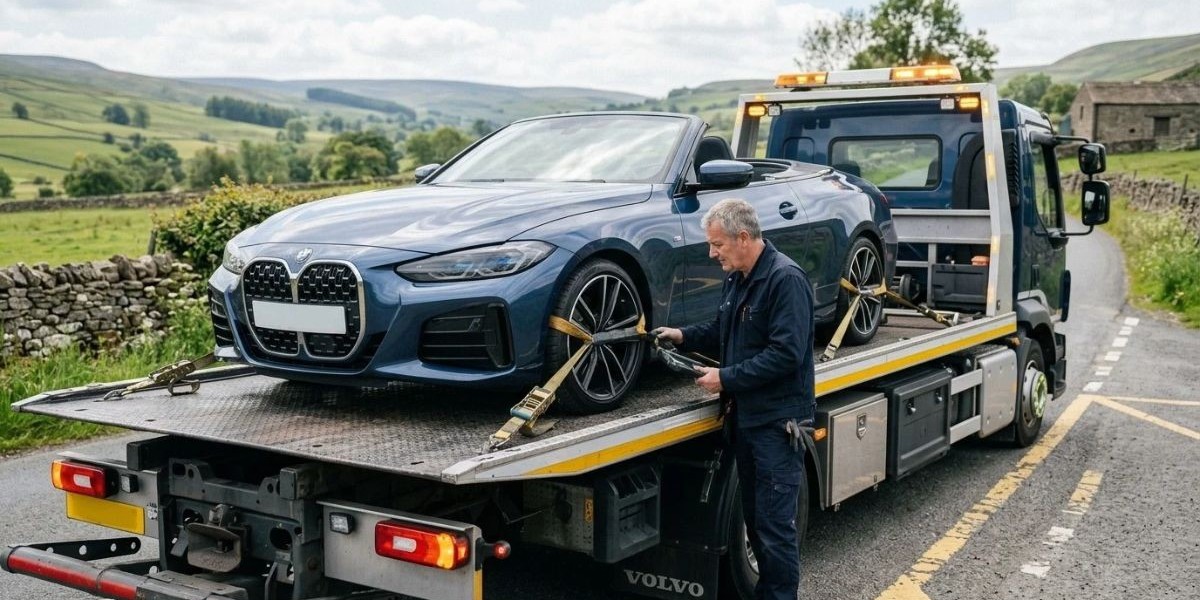
A flatbed recovery truck carries the entire vehicle on its platform. This can be particularly suitable for heavily damaged cars, automatic vehicles and many electric vehicles where conventional towing may not be appropriate.
How Much Does Car Recovery Cost?
There is no single fixed car recovery cost in the UK. The final price depends on several factors, including the distance, vehicle type, location and complexity of the recovery.
A recovery quote may include:
Call-out or attendance fee
Distance travelled
Vehicle loading and unloading
Winching or specialist recovery
Out-of-hours charges
Long-distance transport
Additional equipment or labour
A short local recovery during normal working hours is generally less expensive than an accident recovery requiring specialist equipment.
Always ask whether the quoted price includes mileage, loading, waiting time and any additional charges before agreeing to the service.
What Factors Affect Recovery Prices?
Distance
The further the recovery vehicle needs to travel, the more the service may cost. Some providers charge a fixed call-out fee followed by a per-mile recovery charge, while others offer an all-inclusive quote.
Time of Day
Night-time, weekend and bank-holiday call-outs may cost more because fewer recovery operators are available and demand can be higher.
Vehicle Type
A standard family car is usually easier to recover than a large van, 4x4 or specialist vehicle. Electric and hybrid cars may also require specific recovery procedures and equipment.
Breakdown Location
A vehicle stranded on a motorway, narrow country lane or difficult-to-access location may require additional equipment or safety measures. This can affect the overall price.
Recovery Complexity
A straightforward tow is different from recovering a car that has left the road, suffered major accident damage or become stuck in mud. Winching and specialist vehicle recovery can increase the final cost.
What Should You Do Before the Recovery Vehicle Arrives?
Your safety should come first.
If your car breaks down, move to a safe location where possible and switch on the hazard warning lights. On a motorway, leave the vehicle from the side away from traffic if it is safe to do so and move to a safe place.
When contacting a recovery provider, give them accurate information about:
Your exact location
Vehicle make and model
Registration number
Nature of the problem
Whether the vehicle can move
Number of passengers
Your preferred destination
Any visible accident damage
Photos can also help the recovery operator understand what equipment may be required.
Car Recovery vs Breakdown Cover
Breakdown cover and car recovery are related but not identical.
Breakdown cover is usually an annual service that provides assistance when your vehicle becomes immobilised. Depending on the policy, it may include roadside repairs, local recovery or nationwide recovery.
Pay-as-you-go recovery means arranging and paying for assistance when you need it.
For drivers who travel frequently or own an older vehicle, breakdown cover may provide useful financial protection. However, occasional drivers may prefer to compare the annual cost of cover with the likely cost of individual recovery services.
Always check the policy terms, recovery distance limits and exclusions before relying on breakdown cover.
When Does a Car Need Professional Recovery?
Do not attempt to drive a vehicle simply because it starts.
Professional recovery is advisable when:
The vehicle has suffered significant accident damage
Steering or braking is affected
There is serious engine or transmission failure
The car is leaking fuel or other fluids
An EV has suffered suspected battery damage
The vehicle is stuck or cannot be moved safely
Warning lights indicate a potentially serious fault
Continuing to drive a damaged vehicle can turn a relatively minor problem into a more expensive repair and may create a safety risk.
How to Choose a Reliable Car Recovery Service
Before accepting a recovery service, check what is included in the quote and whether the provider has suitable equipment for your vehicle.
Look for:
Clear pricing
24/7 availability if required
Appropriate recovery equipment
Experienced operators
Good customer reviews
Transparent mileage and call-out charges
Safe transport to your chosen destination
Avoid choosing a provider based solely on the cheapest headline price. A clear quote and suitable equipment can be more important when you are stranded.
Final Thoughts
Car recovery provides a safe way to deal with a vehicle that cannot continue its journey. Whether you need roadside assistance, a local tow, accident recovery or long-distance transport, understanding the available options makes it easier to choose the right service.
The cost will depend on factors such as distance, vehicle type, location, timing and recovery complexity. Comparing prices, checking breakdown cover and keeping your vehicle properly maintained can also reduce the financial impact of an unexpected breakdown.
Most importantly, never put yourself or other road users at risk by attempting to drive a vehicle that is unsafe. When in doubt, professional recovery is usually the safer choice.