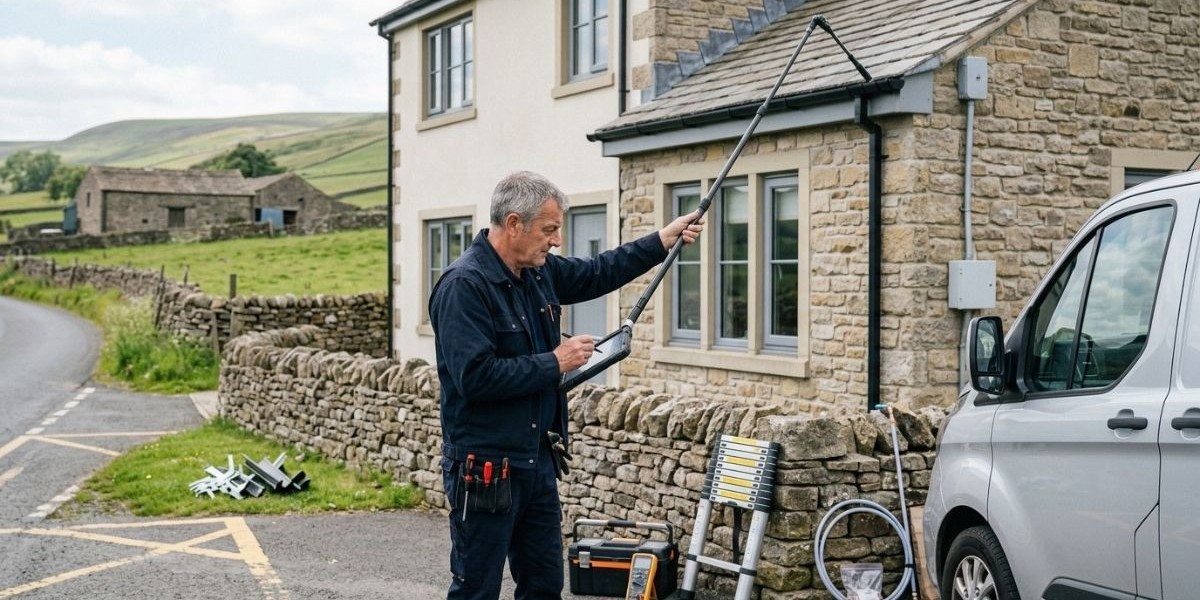

Property maintenance covers far more than fixing problems when they appear. From routine property inspections and plumbing repairs to roof maintenance, electrical checks and preventative work, regular upkeep helps protect a building’s condition, value and safety.
For landlords, working with a reliable property maintenance company can also make it easier to manage repairs, meet maintenance responsibilities and provide tenants with a safe, habitable home.
Whether you own one home, a rental property or a larger portfolio, understanding what property maintenance includes helps you plan repairs, control costs and prevent small issues from developing into expensive problems.
What Is Property Maintenance?
Property maintenance is the ongoing work required to keep a residential or commercial property safe, functional and in good condition. It includes both reactive maintenance, which deals with unexpected faults, and preventative maintenance, which aims to identify and resolve problems before they cause significant damage.
Typical maintenance can involve:
Plumbing and drainage repairs
Electrical maintenance
Heating and boiler servicing
Roof and gutter repairs
Doors and window maintenance
Damp and mould prevention
Painting and decorating
Flooring and general building repairs
Garden and external maintenance
Safety inspections and compliance checks
A planned approach can extend the lifespan of building components while reducing the likelihood of major repair bills.
What Does Property Maintenance Include?
Plumbing and Heating
Plumbing problems are among the most common maintenance issues in properties. Leaking taps, blocked drains, damaged pipes and faulty toilets can quickly cause water damage if ignored.
Heating systems also require regular attention. Boiler servicing, radiator checks and heating repairs can improve reliability and help identify potential faults before they leave occupants without heating or hot water.
Electrical Maintenance
Electrical systems should be kept safe and properly maintained. Maintenance may include repairing faulty sockets, switches, lighting and wiring, while landlords may also need to arrange appropriate electrical inspections and certification.
Any work involving electrical installations should be carried out by a suitably qualified professional where required.
Roof, Gutter and External Repairs
The exterior of a property provides protection against the UK's often unpredictable weather. Roof inspections can identify damaged tiles, leaks, deteriorating flashing and other defects.
Gutter maintenance is equally important. Blocked or damaged gutters can cause rainwater to overflow onto walls and foundations, potentially contributing to damp and structural problems.
External doors, windows, fascias, soffits, brickwork and other building elements should also be checked periodically.
Damp, Mould and Water Damage
Damp and mould should never be treated as purely cosmetic issues. They can indicate leaks, condensation, inadequate ventilation, defective gutters or other underlying problems.
Effective damp prevention starts with identifying the source rather than simply cleaning visible mould. Promptly repairing leaks, improving ventilation and maintaining the building envelope can help prevent recurring problems.
For landlords, dealing with damp and mould promptly is particularly important because housing standards and legal responsibilities apply throughout a tenancy.
Preventative vs Reactive Property Maintenance
The two main approaches to maintenance are reactive and preventative maintenance.
Reactive maintenance happens after something goes wrong. Examples include repairing a burst pipe, replacing a failed boiler or fixing a broken door.
Preventative maintenance involves scheduled inspections, servicing and repairs designed to reduce the risk of failure. This could include annual boiler servicing, roof inspections, gutter cleaning and checking plumbing for early signs of leakage.
Preventative maintenance generally makes it easier to identify minor defects before they develop into costly emergencies.
Property Maintenance for Landlords
Landlords have additional responsibilities because they must maintain rental properties to appropriate legal and safety standards.
Depending on the property and circumstances, landlord maintenance can involve the structure and exterior, heating and hot water systems, plumbing, sanitation, electrical installations and safety measures.
Landlords should also keep relevant certificates, inspection records and repair documentation organised. Regular property inspections can help identify maintenance requirements, although appropriate notice and access arrangements should be followed.
For properties such as HMOs, additional fire safety and property management requirements may apply.
Property Maintenance for Homeowners
Homeowners are not subject to the same landlord obligations, but regular maintenance remains important for protecting the property's long-term condition and value.
A practical maintenance routine can include:
Checking the roof for visible damage
Cleaning gutters and drains
Inspecting windows and external doors
Testing smoke and carbon monoxide alarms
Checking for plumbing leaks
Servicing heating equipment
Looking for damp or mould
Maintaining gardens and external areas
Repairing damaged flooring, walls and fittings
Keeping a record of completed work can also make future maintenance easier to plan.
How Often Should Property Maintenance Be Done?
There is no single maintenance schedule that suits every building. The property's age, construction, location, occupancy and condition all influence how frequently different tasks should be completed.
Some tasks, such as checking alarms and looking for leaks, can be performed regularly. Others, including boiler servicing, electrical inspections or roof inspections, should follow the relevant professional recommendations and legal requirements.
A property maintenance checklist can help owners track recurring tasks and avoid overlooking less visible areas.
How to Reduce Property Maintenance Costs
The cheapest repair is often the one prevented through early action. Regular inspections can help identify minor defects before they become major repairs.
Property owners can also reduce unnecessary costs by:
Keeping a planned maintenance schedule.
Addressing leaks, damp and structural defects quickly.
Using qualified professionals for specialist work.
Keeping records of repairs and servicing.
Budgeting for both routine and unexpected maintenance.
Prioritising safety-critical repairs.
Comparing quotes can help with larger projects, but price should not be the only consideration. Work quality, experience, reliability and appropriate qualifications also matter.
When Should You Hire a Property Maintenance Professional?
Professional help is particularly useful when a problem involves electrical systems, gas appliances, structural defects, roofing, serious damp or complex plumbing.
A reliable maintenance provider can also help landlords coordinate multiple repairs, arrange inspections and manage planned maintenance across several properties.
Ultimately, effective property maintenance is about being proactive rather than waiting for something to fail. A consistent maintenance plan protects the building, supports occupant safety, controls long-term costs and helps preserve property value. Whether you are a homeowner or landlord, regular inspections and timely repairs can make property ownership considerably easier to manage.