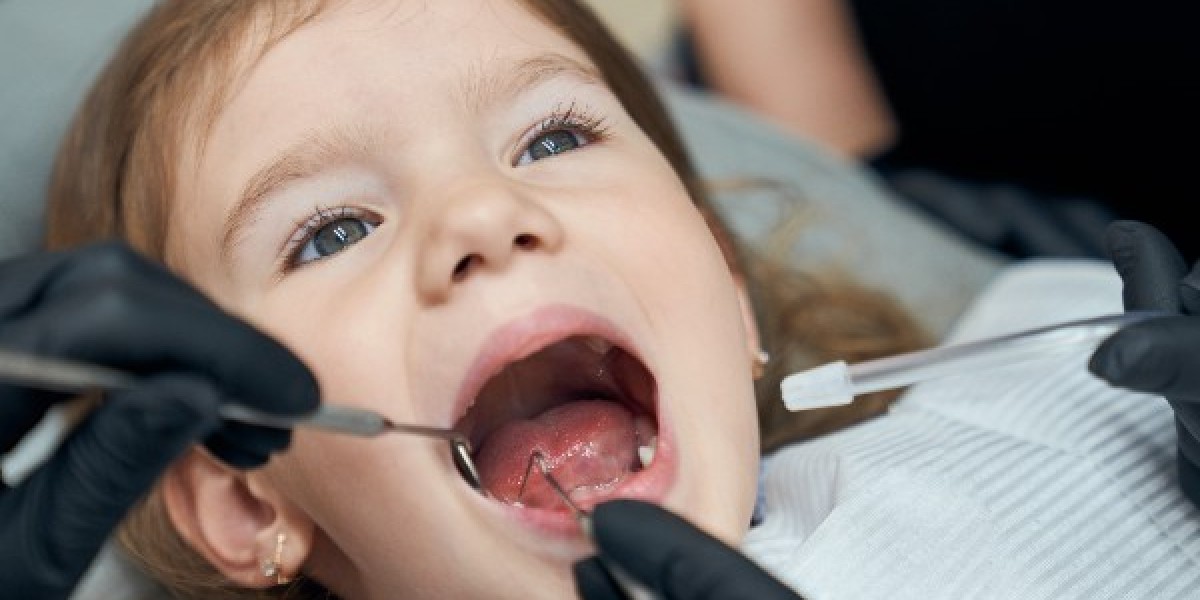

The most common condition encountered in pedodontics is a cavity. It should be noted that most of these conditions are preventable if one takes proper care of his/her teeth through proper oral hygiene measures. Brushing and fluoride toothpaste are essential, but not all parts of the child’s mouth can be accessed by brushing due to the presence of pits in the rear molars.
The use of dental sealants protects the weakest areas of your child’s teeth. In this guide, we will discuss all there is to know about sealants, who needs them, the process involved, and the prevention of cavities.
Why Do Children Need Dental Sealants?
They are a thin coating used on the chewing surfaces of the teeth. More specifically, sealants are applied on the molars and the premolars, as they generally have pits and grooves where food debris and bacteria accumulate.
This ensures smoothness of the surfaces and makes cleaning them easier. According to guidelines provided by the American Dental Association, sealants help protect the back teeth from getting cavities even after regular brushing.
Why Is Protection of Molars Required for Children?
Children might brush their teeth regularly but find it difficult to clean the gaps between their teeth. This happens especially when permanent molars erupt because children do not have an effective brushing method yet.
Therefore, protective sealants for children's teeth, especially when they have permanent molars with pits and fissures.
How Do Pediatric Tooth Sealants Prevent Cavities?
A sealant acts as a physical barrier between the tooth surface and cavity-causing bacteria, food particles, and acids.
The process is relatively straightforward:
The dentist cleans and dries the tooth.
A conditioning solution prepares the chewing surface.
The tooth is rinsed and dried again.
The sealant material is carefully applied to the grooves.
A curing light may be used to harden the material.
There is normally no drilling or removal of healthy tooth structure during routine sealant placement. The procedure is also generally quick, making it practical for children who may find longer dental appointments difficult.
At What Age Should a Child Have Dental Sealants?
There is not an age that is true for all children. However, dentists often discuss sealants when permanent teeth have come in and can be assessed and isolated in the mouth.
Usually, permanent teeth erupt at around age 6, whereas secondary permanent teeth erupt at about age 12. These ages are approximate, as each child is different.
A dentist may recommend sealants based on factors such as the following:
The depth and shape of the tooth's grooves
A child's history of cavities
Oral hygiene habits
Diet and frequency of sugary foods or drinks
Fluoride exposure
The condition of newly erupted permanent teeth
Sealants are therefore best viewed as part of individualized cavity prevention for kids rather than a replacement for daily brushing.
Are Dental Sealants Safe and Effective?
The use of dental sealants for decades now as a preventive dental treatment for children has made most people view them as being safe.
Nonetheless, it should be noted that dental sealants are not permanent, and hence, they are susceptible to wear and tear. For this reason, dentists should examine sealants regularly during checkups since a sealant chip or partial loss calls for its repair or replacement.
Many parents believe that sealants will completely prevent any form of tooth decay in their children. This is not entirely true since sealants protect the area in which they have been applied while the rest of the tooth needs proper dental hygiene practices.
What about fluoride?
The main role of sealants is different from that of fluoride. Indeed, fluoride increases tooth enamel resistance to decay, while sealants create an additional protective layer in order to protect teeth from decay.
Thus, the use of both can become complementary.
What else can parents do to prevent childhood cavities?
However good the sealants are, no matter how effective they are, they cannot replace regular dental hygiene practices. Children must brush their teeth twice a day using fluoride toothpaste according to their age.
It is also vital to minimize the frequency of consumption of sweet food and beverages. Water is the best drink between meals instead of any other beverage.
Regular visits to the dentist will help to identify the first signs of decay, examine erupting teeth, check up on sealants, and receive proper recommendations.
For children with deep fissures on their molars, the use of molar sealant treatment may become one of the ways to prevent decay.
Choosing a Reliable Dental Service
When considering preventive dental care for children, parents may consider dental practices such as LiT Dental that provide routine examinations and preventive treatments, including pediatric tooth sealants. The appropriate preventive approach depends on the child’s oral health, cavity risk, tooth development, and the condition of the teeth being evaluated.
Conclusion
There can be great benefits for kids when dental sealants are employed as a means of avoiding the development of caries by coating back teeth, which contain pits that are difficult to reach with a toothbrush.
One needs to find out from the dentist whether sealants can protect kids’ growing molars from decay.