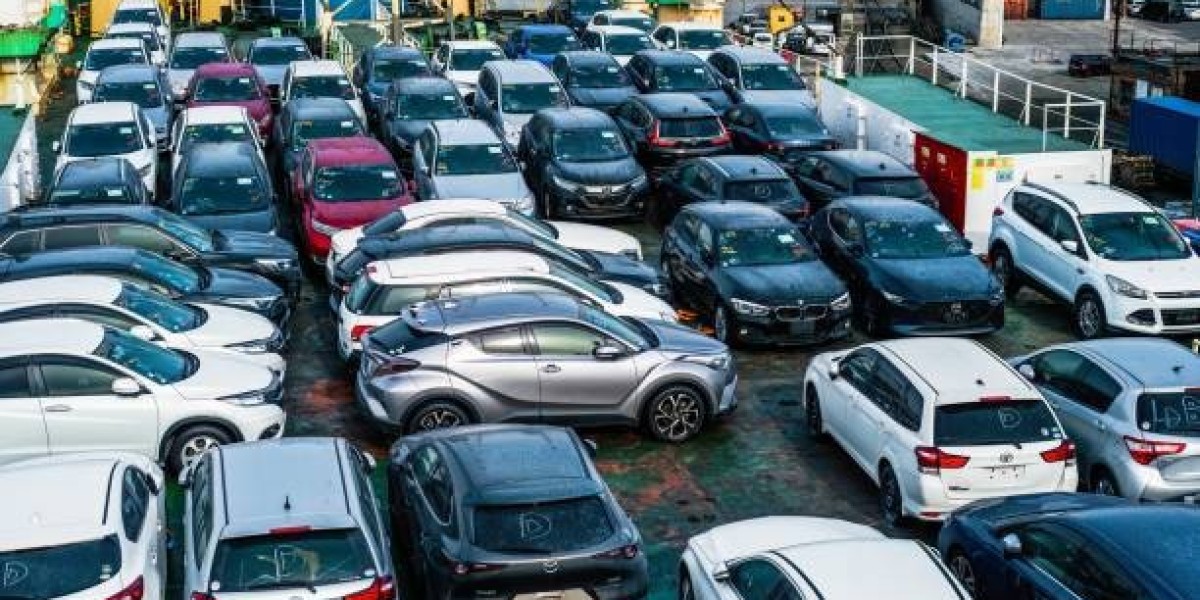

Buying a used vehicle from Japan can be a smart option for UK motorists who want more choice, attractive specifications, reliable engineering, and access to models that may be difficult to find in the local market. From economical hatchbacks and hybrids to SUVs, MPVs, kei cars, and distinctive JDM vehicles, the Japanese market offers something for almost every type of buyer.
However, finding the right vehicle is only half the job. Choosing a trustworthy seller is equally important. Reputable Japanese Used Cars Dealers can help with vehicle sourcing, auction information, export documentation, shipping, and other parts of the importing process. An unreliable seller, on the other hand, can leave you dealing with unclear costs, incomplete paperwork, inaccurate vehicle descriptions, or unexpected problems.
So, how do you separate a trustworthy dealer from a risky one? This guide covers the key checks UK buyers should make before purchasing a Japanese used car.
Why Does the Dealer Matter?
A Japanese used-car purchase can involve several steps that are unfamiliar to first-time importers.
More Than a Simple Car Purchase
Depending on the vehicle and buying method, the process can involve:
Finding a suitable vehicle
Reviewing Japanese auction information
Purchasing or bidding
Export documentation
International shipping
Customs clearance
UK registration
Compliance
Delivery
An experienced dealer can coordinate some or all of these stages.
Reducing Buying Risks
A professional dealer should provide accurate information about the vehicle and clearly explain what you are paying for.
This transparency can make a significant difference when purchasing a vehicle thousands of miles away.
Research the Dealer Before Contacting Them
Do not wait until you find your dream car to investigate the seller.
Check the Company's Background
Look for information about how long the business has operated, where it is based, and what type of vehicles it handles.
A dealer with experience in Japanese vehicle exports should understand the local auction system and export process.
Look at Their Vehicle Inventory
Review the cars they regularly offer.
A dealer that provides detailed information, photographs, specifications, and vehicle history is generally easier to evaluate than one with minimal information.
Read Customer Reviews
Customer feedback can provide useful insight into how a dealer treats buyers.
Look Beyond Star Ratings
An overall rating does not tell the whole story.
Read individual reviews and look for comments about:
Communication
Vehicle condition
Accuracy of listings
Documentation
Shipping
Delivery
Customer service
Look for Patterns
One negative review does not necessarily mean a company is unreliable.
However, repeated complaints about hidden charges, poor communication, incorrect vehicle descriptions, or documentation problems deserve serious attention.
Check Multiple Review Sources
Where possible, compare feedback across different platforms rather than relying only on testimonials published by the dealer.
Check the Dealer's Website
A professional online presence can provide useful clues.
Clear Company Information
Look for a business address, contact information, company details, and a clear explanation of its services.
Detailed Vehicle Listings
Good listings should provide useful information about the vehicle.
This may include:
Model
Year
Mileage
Engine
Transmission
Specification
Condition
Photographs
Auction grade
Auction sheet where available
Clear Buying Process
The dealer should explain how customers can select, purchase, pay for, and receive their vehicles.
If the process is difficult to understand, ask questions before proceeding.
Ask for the Auction Sheet
Auction documentation is one of the most useful resources when purchasing a Japanese used vehicle.
What Does an Auction Sheet Contain?
Depending on the auction, the document may provide information about:
Mileage
Exterior condition
Interior condition
Scratches
Dents
Rust
Repairs
Mechanical observations
Overall auction grade
Why It Is Important
The auction sheet gives buyers a better understanding of the vehicle before purchasing it.
A trustworthy dealer should be willing to explain the important details rather than simply telling you that the vehicle has a good grade.
Understand the Limitations
An auction grade is not a complete guarantee of condition.
You should also consider the written comments, diagrams, photographs, mileage, and any available inspection information.
Verify the Vehicle's Mileage
Mileage can have a major impact on the value and future maintenance of a used car.
Compare Available Records
Where possible, compare the odometer reading against:
Auction records
Service history
Inspection records
Export documentation
UK MOT records after registration
Ask About Differences
If different records show different mileage figures, ask the dealer to explain why.
Do not ignore inconsistencies simply because the vehicle looks attractive.
Check Accident and Repair History
A vehicle that has previously been repaired is not automatically a bad purchase.
Ask What Happened
Find out whether the car has been involved in an accident and which areas were repaired.
Consider Current Condition
The key question is whether the vehicle is currently safe, mechanically sound, properly repaired, and fairly priced considering its history.
A dealer should not hide relevant repair information from the buyer.
Understand the Complete Price
One of the most important questions to ask Japanese Used Cars Dealers is: "What exactly is included in the price?"
Vehicle Price
Determine whether the advertised price is simply the Japanese vehicle price or whether it includes additional services.
Dealer Fees
Some dealers charge separately for sourcing, auction bidding, inspection, documentation, or other services.
Ask for a written breakdown.
Shipping
Find out whether international shipping is included.
RoRo and container shipping can have different costs, and the vehicle's size and destination can affect the final price.
Customs and Taxes
Depending on the vehicle and circumstances, customs duty and VAT may apply.
Ask the dealer for an estimate, but verify current UK requirements for your specific vehicle.
Additional Charges
Also ask about:
Port handling
Customs clearance
Storage
UK delivery
Registration
Compliance work
Testing
A clear quotation makes it easier to calculate the true cost.
Compare Several Japanese Used Cars Dealers
Do not make your decision after speaking to only one seller.
Request Multiple Quotes
Ask several dealers to provide quotations for similar vehicles.
Compare the complete cost rather than just the advertised vehicle price.
Compare What Is Included
One dealer may offer a low headline price but charge additional fees for services that another dealer includes.
Always compare like for like.
Consider Service Quality
Communication, documentation, vehicle information, and after-sales assistance can be just as important as price.
Evaluate Communication
The way a dealer communicates with you can reveal a lot about their professionalism.
Clear Answers
A reliable dealer should answer questions directly and explain unfamiliar parts of the process.
Written Information
Important details about the vehicle, price, payment terms, and services should ideally be documented.
No Pressure
Be careful if a seller pressures you to make a quick payment without allowing you enough time to review the vehicle and paperwork.
A reputable dealer should understand that an imported used car is a major purchase.
Ask About UK Registration
Japanese-market vehicles may require additional procedures before they can be driven in Britain.
DVLA Registration
Imported vehicles generally need to be registered with the DVLA.
Ask whether the dealer handles the registration process or whether you are responsible for completing it.
MOT and Approval
Depending on the vehicle's age and circumstances, an MOT or another applicable approval route may be required.
Compliance Modifications
Some Japanese vehicles may require changes to lighting, rear fog lamps, speedometer displays, or other equipment.
Ask the dealer what preparation is required and whether it is included in the price.
Check Warranty and After-Sales Support
A dealer's responsibilities should not necessarily end when the vehicle reaches you.
Understand the Warranty
If a warranty is offered, ask:
How long does it last?
Which components are covered?
Are there exclusions?
Where are repairs completed?
Who pays for labour and parts?
Always read the terms carefully.
Ask About Support
Find out whether the dealer can help with registration questions, servicing, parts, or other issues after delivery.
Review Payment Terms Carefully
Never make a major payment without understanding the conditions.
Deposit Conditions
Ask whether the deposit is refundable and what happens if the vehicle cannot be supplied as described.
Payment Schedule
Understand when payments are due and what each payment covers.
Keep Proof
Keep copies of:
Invoices
Receipts
Payment confirmations
Emails
Vehicle documents
Agreements
Good records can be valuable if a disagreement occurs.
Check Parts and Maintenance Support
The buying process is only the beginning of ownership.
Parts Availability
Popular Japanese models generally have reasonable parts support in the UK.
Rare JDM vehicles may require parts to be ordered from Japan.
Find a Suitable Garage
Before purchasing an unusual import, identify a garage that has experience working with Japanese vehicles.
Consider Long-Term Costs
Research servicing, tyres, brakes, insurance, fuel, and other ownership costs before committing to the vehicle.
Red Flags to Watch For
Knowing the warning signs can help you avoid a problematic seller.
Unusually Low Prices
An extremely cheap vehicle may have hidden problems or additional costs.
Missing Documentation
Be cautious if the dealer cannot provide basic information about the vehicle's history.
Vague Pricing
If the seller cannot explain what is included in the final price, ask for a detailed written quotation.
Inconsistent Information
Mileage, specifications, model year, and vehicle history should be consistent across available records.
High-Pressure Sales
Pressure to pay immediately should be treated cautiously, especially when buying a vehicle internationally.
Questions to Ask Before Buying
Before choosing among Japanese Used Cars Dealers, ask the following:
What is the verified mileage?
Is the auction sheet available?
What is the auction grade?
Has the vehicle had accident repairs?
What is included in the advertised price?
Are shipping costs included?
Who handles customs?
Who handles UK registration?
Are compliance modifications included?
Is a warranty provided?
What after-sales support is available?
Are there any additional charges?
Getting clear answers can prevent many misunderstandings.
A Simple Dealer Checklist
Before choosing a seller, check:
Company experience
Customer reviews
Contact information
Vehicle inventory
Auction documentation
Mileage verification
Accident history
Complete pricing
Shipping arrangements
Registration responsibilities
Warranty terms
After-sales support
If a dealer performs well across these areas, you can approach the purchase with greater confidence.
Final Thoughts
Choosing trustworthy Japanese Used Cars Dealers is an important step for anyone planning to buy a Japanese vehicle for the UK market. The right seller can make the process much easier by helping with vehicle sourcing, auction information, export paperwork, shipping, registration, and after-sales support.
Do not choose a dealer simply because it advertises the lowest price. Instead, look at the complete picture. Check the company's experience, read customer reviews, examine vehicle documentation, verify mileage, ask about accident history, and request a detailed breakdown of every expected cost.
You should also understand what happens after the vehicle reaches the UK. Registration, compliance, insurance, servicing, and parts availability can all affect the overall ownership experience.
Most importantly, take your time. A trustworthy dealer should be willing to answer questions, provide relevant documentation, explain costs clearly, and give you enough information to make an informed decision.
With careful research and the right Japanese Used Cars Dealers, importing a used vehicle from Japan can be a straightforward and rewarding experience for UK buyers.