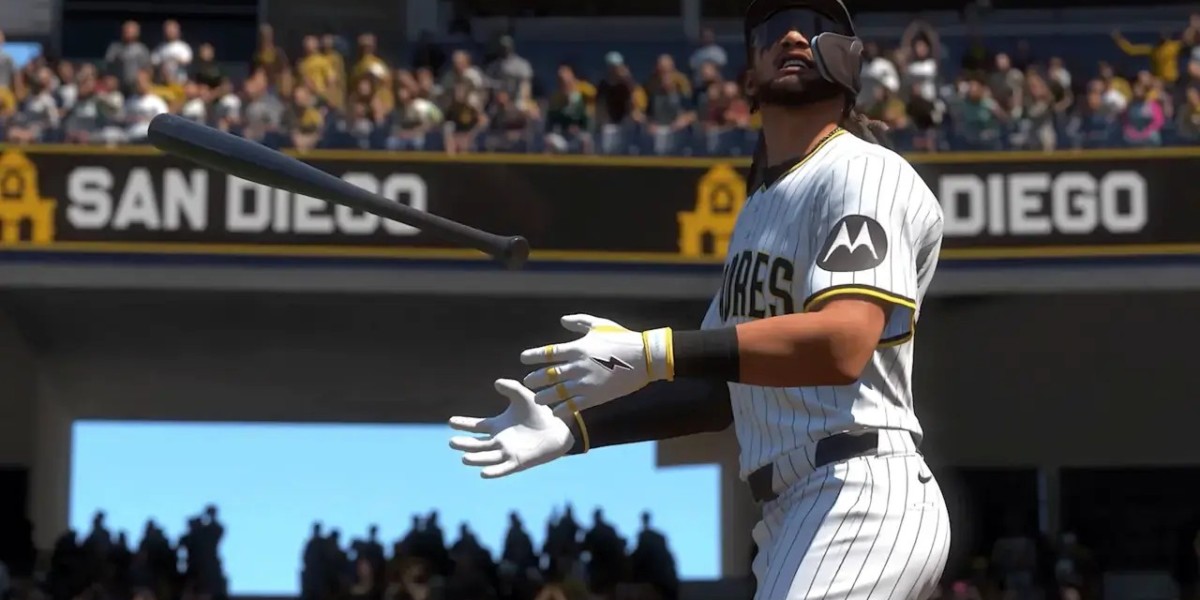

Competitive pitching in MLB The Show 26 is changing fast. Players who used to live on hard four-seamers and sinkers are finding that good hitters can sit on velocity, especially in Diamond Dynasty. That has opened the door for the curveball, and it is not just a show-me pitch anymore. A well-built squad, some MLB 26 stubs, and a pitcher with a usable curve can give you a real edge when every opponent expects heat. The sweet spot is usually around 81 MPH. It looks harmless until it falls off the table.
Why hitters keep chasing it
The idea is simple: make the batter speed up, then make them wait. Throw a fastball up, work in an 87 MPH slider, and the opponent starts rushing their swing. That is when the slow curve works. Aim it below the zone, preferably under the hitter's hands or just beneath the bottom edge. Plenty of players will commit before they notice the drop. It is especially nasty with two strikes, though it can also steal a first-pitch swing when someone is hunting a heater.
Pinpoint is where it gets tricky
Pinpoint Pitching gives players the control needed to repeat that location, but there is no room to coast. The curveball motion has a rounded, top-heavy trace. Keep the analog stick smooth through the circle, then pull down as the timing marker closes. Miss the release by a fraction and the whole pitch changes. A curve released early can drift too far off the plate. Release it late, and it may hang right where the batter wants it. The useful routine is: 1. Trace the path cleanly. 2. Watch the closing circle instead of rushing the flick. 3. Finish down through the target. It sounds basic, but one sloppy input can turn a strikeout pitch into a no-doubt homer.
What the speed gap actually does
The difference is not only movement. It is decision time. A batter reading a 96 MPH fastball has to react much sooner than one seeing an 81 MPH curve, and that gap wrecks rhythm. Here is the comparison players are leaning on: Fastball - around 96 MPH - forces quick reactions. Slider - around 87 MPH - keeps the hitter honest. Curveball - around 81 MPH - creates the pause, then the late drop. Do not spam the curve, though. If you throw it every other pitch, decent opponents will simply take it or adjust their PCI lower.
Style does not make the game any softer
Diamond Dynasty games can look ridiculous in the best way. White pinstripes might face neon green jerseys, custom logos everywhere, and stadiums packed with odd little details. Still, the games are tight. The player who controls counts and keeps a curve below the barrel usually wins more than the player who only throws hard. Prices and roster choices matter in the MLB The Show 26 marketplace, but pitch sequencing matters once the game starts. Get the timing right, and that looping curve can make a stacked lineup look lost.