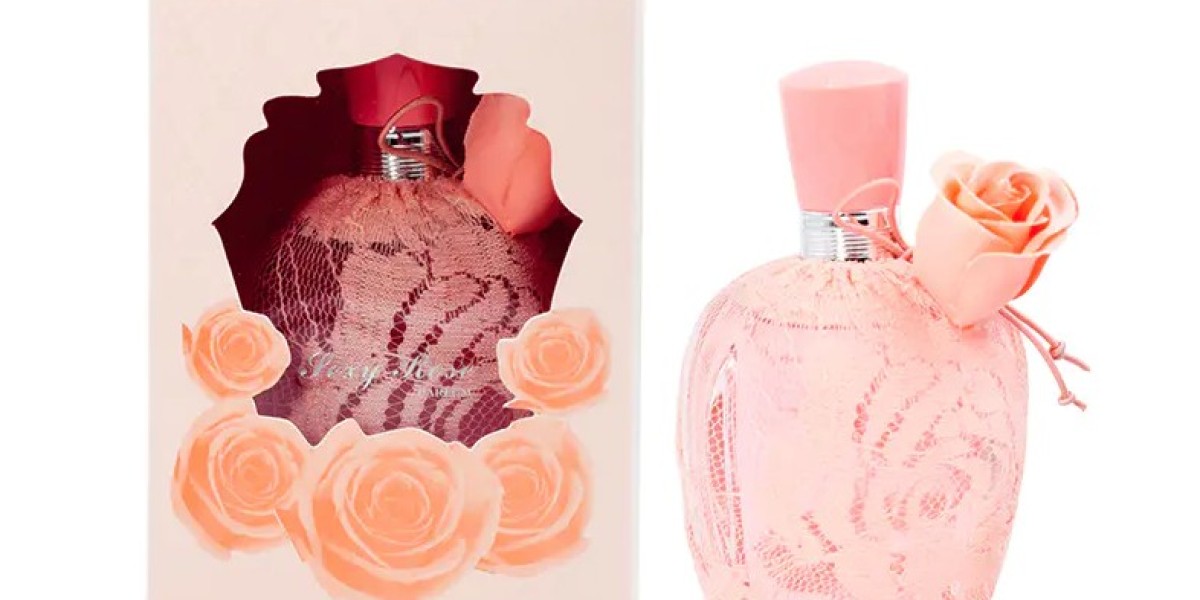

Floral Perfume has a broad role in fragrance manufacturing because floral accords can be adjusted for different formulation environments. Rose, jasmine, lavender, peony, gardenia, and violet-inspired profiles can each create a distinct aromatic direction. For manufacturers, the challenge is not simply producing a floral scent but developing a composition that performs appropriately inside the intended product.
Product compatibility is an important part of fragrance development. A perfume designed for a fine fragrance base may behave differently inside liquid soap, shampoo, body care products, candles, fabric products, or household formulations. Alcohol content, surfactants, oils, waxes, and other ingredients can affect how the aroma develops after blending.
Floral Perfume formulations can also be adjusted according to the desired scent intensity. Some applications require a noticeable fragrance profile, whereas others call for a softer aromatic presence. Dosage therefore becomes part of the formulation process. Increasing the fragrance concentration does not automatically create a better result, since the relationship between different aroma materials also changes.
Another consideration is the balance between floral and supporting notes. A rose-centered composition may include green or citrus elements for freshness. Jasmine can be paired with fruity or creamy materials to create a different character. Violet accords may introduce powdery or slightly woody nuances. These combinations allow fragrance developers to create variations without completely changing the core floral direction.
Production consistency is particularly important for bulk orders. Raw materials need clear specifications, and blending procedures should be controlled from batch to batch. Differences in material composition can influence color, odor intensity, and overall fragrance behavior. Documentation of formulas and production parameters can help manufacturers maintain a consistent product profile.
Packaging compatibility may also enter the development stage. Certain fragrance compositions can interact with packaging materials, especially when volatile components or solvents are involved. Container material, closure design, and filling conditions should therefore be considered before large-scale production.
Floral Perfume can serve different manufacturing sectors because its scent profile is flexible. A single floral concept can be modified toward fresh, green, powdery, fruity, woody, or creamy directions depending on the formulation goal. This flexibility gives fragrance suppliers and product manufacturers more room to develop differentiated scent lines.