
Getting an ear piercing is an exciting experience, whether it's your first one or you're planning to add another to your collection. While many people focus on choosing attractive jewellery, the placement itself deserves just as much attention. Every ear has its own shape, curves, and cartilage, meaning that no two piercing experiences are exactly the same.
The right placement isn't simply about appearance. It also affects comfort, healing, and how well your jewellery sits over time. Taking a little time to understand your ear before booking an appointment can help you avoid common mistakes and make choices you'll be happy with long after the piercing has healed.
If you're exploring different placements before visiting a studio, you can know more about the ear piercing chart to understand where each piercing is located and how different parts of the ear work together.
Every Ear Has Its Own Shape
People often find inspiration through social media, but it's important to remember that everyone's ear anatomy is different. Some people naturally have wider cartilage, while others have smaller ears with less space for multiple piercings.
Professional piercers always assess your ear before recommending a placement. Instead of trying to copy someone else's look exactly, they consider the natural shape of your ear and suggest options that are both practical and comfortable.
This personalised approach often produces a better result because the jewellery sits naturally without placing unnecessary pressure on the surrounding tissue.
Understanding Common Ear Piercings
The ear offers several different piercing locations, each with its own appearance and healing process.
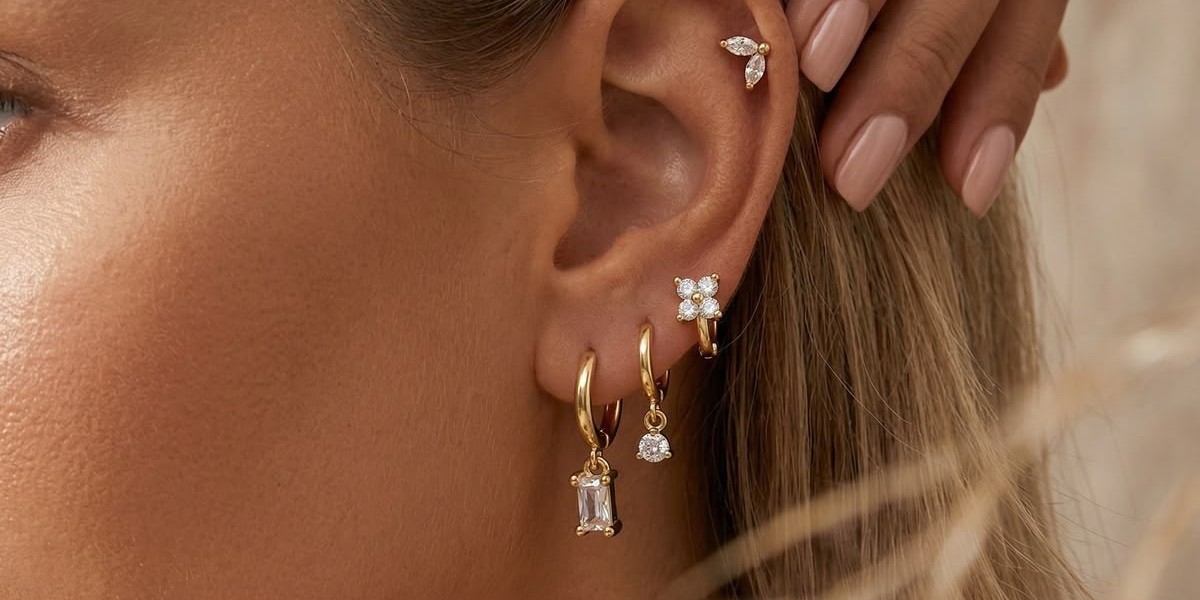
The earlobe is usually where most people begin because it heals more quickly than cartilage. From there, many people choose to explore the helix, tragus, rook, daith, conch, forward helix, or industrial.
Looking at an all ear piercings chart can make these different placements much easier to understand. Seeing every location together provides a clear picture of how each piercing fits within the ear.
For those who are new to ear jewellery, a types of ear piercing chart is also useful because it introduces the names of each placement before you speak with a professional piercer.
Choosing Jewellery That Fits Correctly
Selecting jewellery isn't only about appearance. Size plays an important role in both healing and long-term comfort.
After a new piercing, the ear naturally experiences some swelling. Jewellery that is too short may create unnecessary pressure, while jewellery that is too long can move around more than it should.
This is why many people check an ear piercing size chart before buying replacement jewellery. Understanding gauge thickness, post length, and hoop diameter makes it easier to choose jewellery that fits properly for each specific piercing.
As healing progresses, your piercer may also recommend changing to jewellery with different measurements that are more suitable for everyday wear.
Building a Piercing Collection
Some people enjoy one simple piercing, while others gradually create an arrangement across the entire ear. There is no right or wrong approach because every person has different preferences.
Planning your piercings over time gives each one an opportunity to heal properly before adding another. It also allows you to see how every new placement complements the existing jewellery.
Many people compare several ear piercing charts while deciding which piercing to get next. Visual references often help create a balanced arrangement instead of making decisions one at a time without a clear plan.
Learning the Names Before Your Appointment
Knowing the names of different ear piercings can make your consultation much easier.
Instead of pointing to photographs, you can explain exactly which placement interests you. This allows your piercer to discuss jewellery options, healing expectations, and whether your anatomy is suitable for that location.
An all ear piercing chart helps beginners become familiar with every commonly recognised placement. Once you understand the terminology, researching jewellery and aftercare becomes much simpler.
Why Pictures Are Helpful
Reading descriptions is useful, but visual references make everything much clearer.
An ear chart for piercings allows you to compare different locations and understand the spacing between them. This becomes especially helpful if you're planning more than one piercing because you can see how different combinations may look together.
Visual references also reduce misunderstandings during consultations, ensuring both you and your piercer are discussing the same placement.
Looking Beyond Appearance
Although appearance is often the first thing people notice, practical factors deserve equal attention.
Think about your daily routine before choosing a piercing. Sleeping position, wearing headphones, helmets, or even your hairstyle can all influence comfort while your piercing heals.
Many people find that reviewing an ear piercing types chart before their appointment helps them understand which placements may fit their lifestyle more comfortably.
Taking these everyday habits into account often leads to a much smoother healing experience.
The Importance of Professional Advice
Research is valuable, but it should never replace advice from an experienced piercer. Every ear has small differences that can influence placement, jewellery selection, and healing.
A professional can recommend suitable jewellery, explain realistic healing times, and answer questions based on your individual anatomy rather than general information found online.
Helpful educational resources from Antiquecut can also give you a better understanding of different ear piercings before your appointment, allowing you to have a more informed conversation with your piercer.
Final Thoughts
An ear piercing is something you'll wear every day, so it's worth taking the time to understand your options before making a decision. Learning about ear anatomy, jewellery sizing, and placement gives you greater confidence and helps you choose a piercing that suits both your ear and your lifestyle.
Whether you're planning your first piercing or adding another to an existing collection, researching beforehand can make the entire experience more enjoyable. A little preparation today can help you enjoy comfortable healing and a result that feels right for you for years to come.